Experts

Jennifer Lawless

Fast Facts

  • Chair, UVA Department of Politics
  • Author or co-author of nine books
  • Former editor of the American Journal of Political Science
  • Expertise on women and politics, campaigns and elections, political media

Areas Of Expertise

  • Domestic Affairs
  • Media and the Press
  • Governance
  • Elections
  • Politics

Jennifer L. Lawless is the Leone Reaves and George W. Spicer Professor of Politics at the University of Virginia and the chair of the Politics Department. She is also has affiliations with UVA’s Frank Batten School of Leadership and Public Policy and the Miller Center.

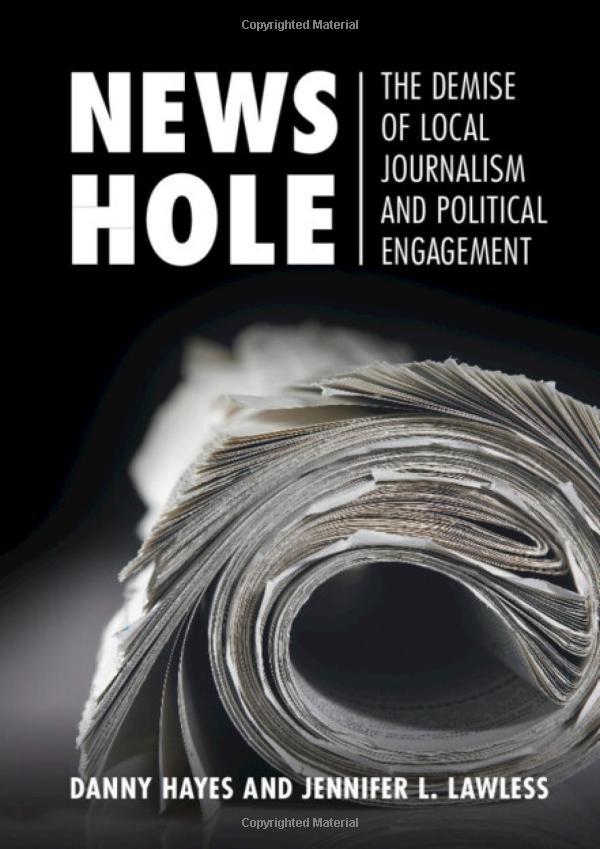
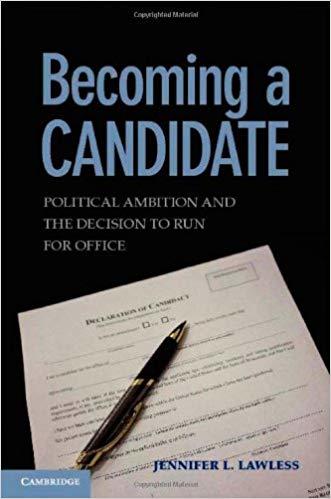
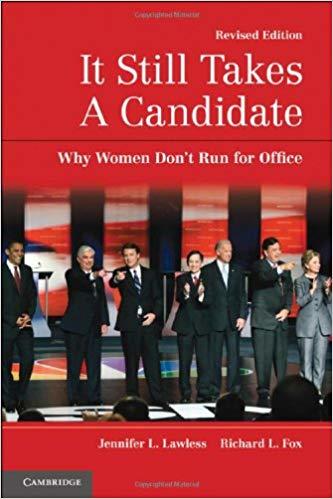
Her research focuses on political ambition, campaigns and elections, and media and politics. She is the author or co-author of nine books, including News Hole: The Demise of Local Journalism and Political Engagement (with Danny Hayes) and It Takes More than a Candidate: Why Women Don't Run for Office (with Richard L. Fox). 

Lawless' research, which has been supported by the National Science Foundation, has appeared in numerous academic journals and is regularly cited in the popular press. From 2019-2025, Lawless served as the co-editor in chief of the American Journal of Political Science. She is also the recipient of the 2023 Shorenstein Center Goldsmith Book Prize, for the academic book that examines the intersection among media, politics, and public policy. 

Lawless graduated from Union College with a BA in political science and Stanford University with an MA and PhD in political science. In 2006, she sought the Democratic nomination for the U.S. House of Representatives in Rhode Island’s second congressional district. Although she lost the race, she remains an obsessive political junkie.

Jennifer Lawless News Feed

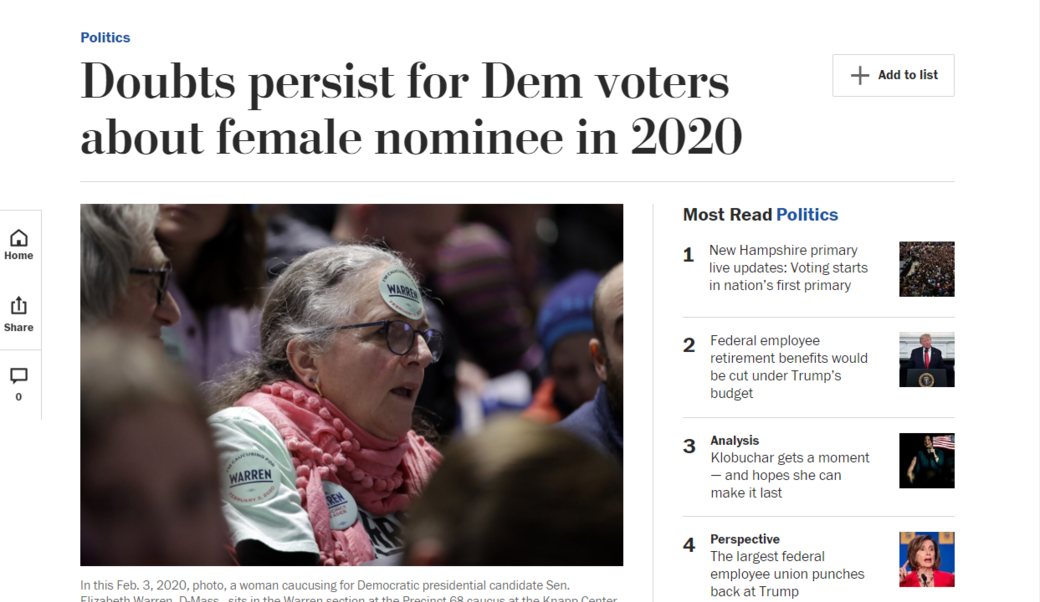
Jennifer Lawless is a political science professor at the University of Virginia who co-authored a 2016 book that examined female candidates and the biases they face. Lawless found that the perception of sexism in the electoral arena at the congressional level was widespread. “You had more than 50% of voters believe that a woman couldn’t win an election, couldn’t raise as much money, faced higher standards on the campaign trail. And as a result, female candidates think that they need to be more qualified than the men against whom they compete,” Lawless said.
Jennifer Lawless HuffPost
“Given Rhode Island’s political culture, there’s a tendency to conclude that the male-dominated government is a result of gender discrimination on the part of voters, donors, and even the media,” said Jennifer Lawless, Professor of Political Science at the University of Virginia. “The good news is, none of that’s true. Sure, there are sexist voters, sexist donors, and sexist reporters. But systematically, when women run for office, they raise just as much money and garner just as many votes as men.”
Jennifer Lawless GoLocal Prov
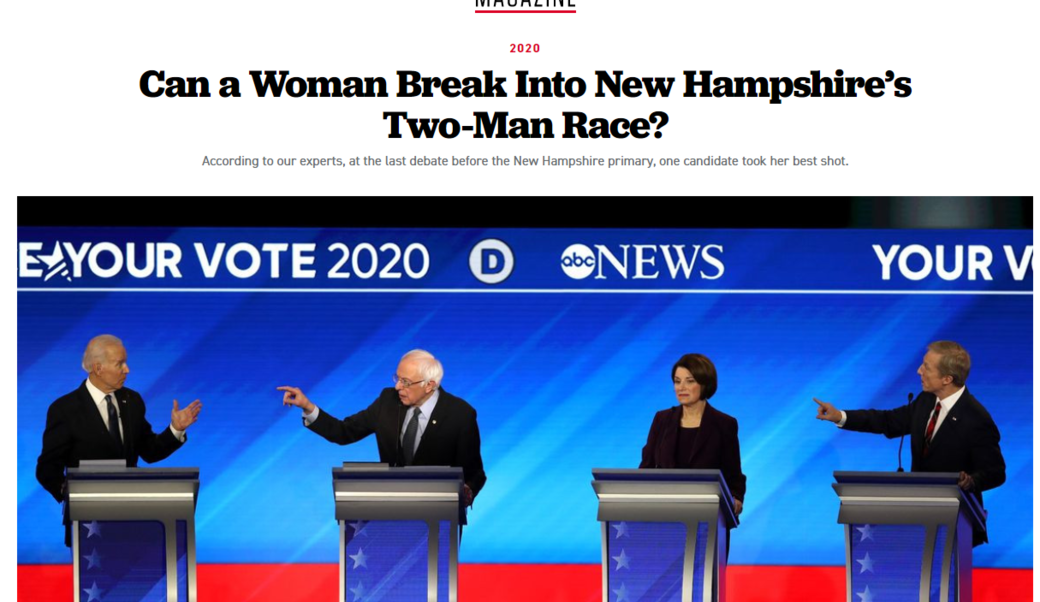
Biden and Buttigieg had the most to lose in Wednesday night’s debate, albeit for different reasons. In Biden’s case, his failure to clear the field revealed vulnerabilities that paved the way for Michael Bloomberg and Deval Patrick to throw their hats into the ring. If Biden couldn’t deliver a strong debate performance, then voters might get behind one of the new alternatives. For Buttigieg, his rise in the polls placed a target on his back. The high stakes suited both men well. Their performances were far from flawless. Biden began the night with some pretty significant verbal stumbles, and Buttigieg took far too long to assuage voters’ concerns about his political inexperience and credentials. But they still emerged as the debate’s clear winners, hands down, for two reasons.
Jennifer Lawless POLITICO Magazine
“The women being called in are not administrative assistants who might have heard something” but accomplished experts, says Jennifer Lawless, a professor of politics at the University of Virginia who’s written extensively about women in office. “That matters, that level of growth.”
Jennifer Lawless The Christian Science Monitor
The latest presidential debate provided voters with information about the candidates’ positions on impeachment, the opioid crisis, Syria, tech company monopolies, health care and reproductive rights. It offered viewers an opportunity to assess the candidates’ age, health, demeanor and strategies for defeating Donald Trump. And it allowed the candidates the time—albeit in 30-second increments—to lay out their visions for the future. Given the wide-ranging substantive and stylistic ground the candidates covered, we might be tempted to look for ways that the debate moved the needle. But that’s a fool’s errand. With 12 people on the stage and the two front-runners avoiding major pitfalls, it’s almost impossible—mathematically—for anyone else to gain momentum.
Jennifer Lawless POLITICO Magazine
Sanders, who draws on backing from progressive voters reaching back to his unsuccessful 2016 primary bid against Hillary Clinton, may not see any immediate drop in support, said Jennifer Lawless, a professor of politics at the University of Virginia. The stronger risk is that it will be more difficult for him to gather new supporters, she said.
Jennifer Lawless Bloomberg