Experts

Kathryn Dunn Tenpas

Fast Facts

  • Director, Initiative on Improving Interbranch Relations and Government and visiting fellow with Governance Studies, Brookings Institution
  • Host, Democracy in Question podcast, Brookings Institution
  • Advisory board member, White House Transition Project 

Areas Of Expertise

  • The First Year
  • Governance
  • Elections
  • Leadership
  • Politics
  • The Presidency

Kathryn Dunn Tenpas is director of the Initiative on Improving Interbranch Relations and Government and a visiting fellow with Governance Studies at the Brookings Institution. She is also an advisory board member of the White House Transition Project.

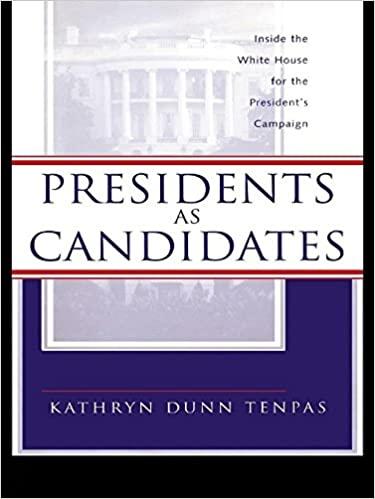
A recent recipient of a Packard Foundation grant, Tenpas is a scholar of the American presidency focusing on White House staffing and turnover and presidential transitions. She also studies interbranch relations, particularly the complex relationship between federal courts and Congress. She is the author of Presidents as Candidates: Inside the White House for the Presidential Campaign and has published more than 80 articles, book chapters, and papers on these topics.

Tenpas earned her BA degree from Georgetown University and her MA and PhD degrees from the University of Virginia.

Kathryn Dunn Tenpas News Feed

"There's probably a fair amount of job satisfaction," said Kathryn Dunn Tenpas, practitioner senior fellow at the University of Virginia's Miller Center and a non-resident senior fellow at the Brookings Institution, who tracks turnover.
Kathryn Dunn Tenpas Axios
“From my perspective, diversity in the Biden administration far surpasses his predecessors’ in so many different ways,” says Kathryn Dunn Tenpas, practitioner senior fellow at the University of Virginia's Miller Center.
Kathryn Dunn Tenpas Washington Post
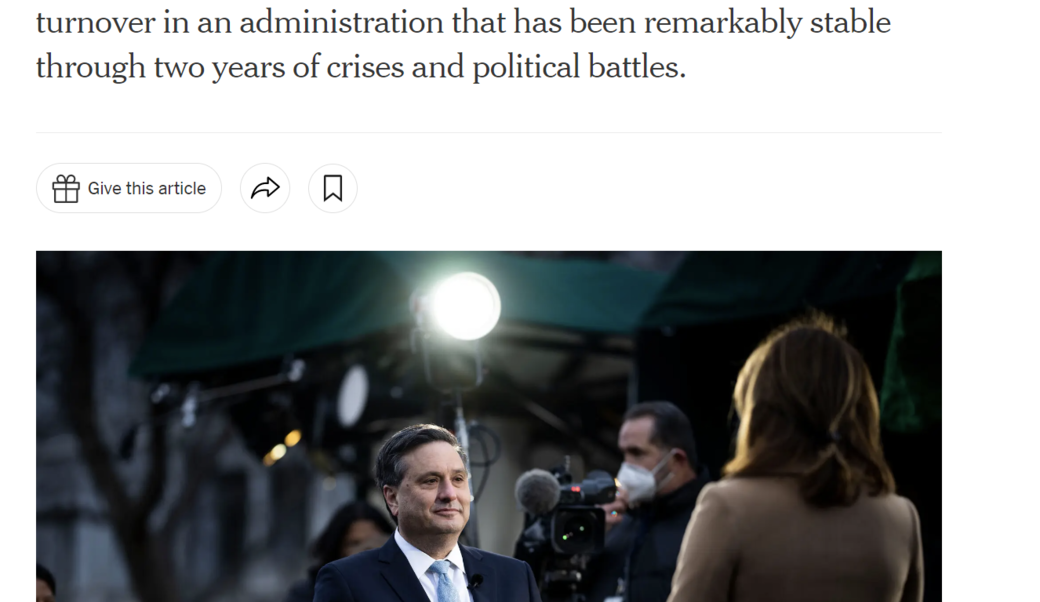
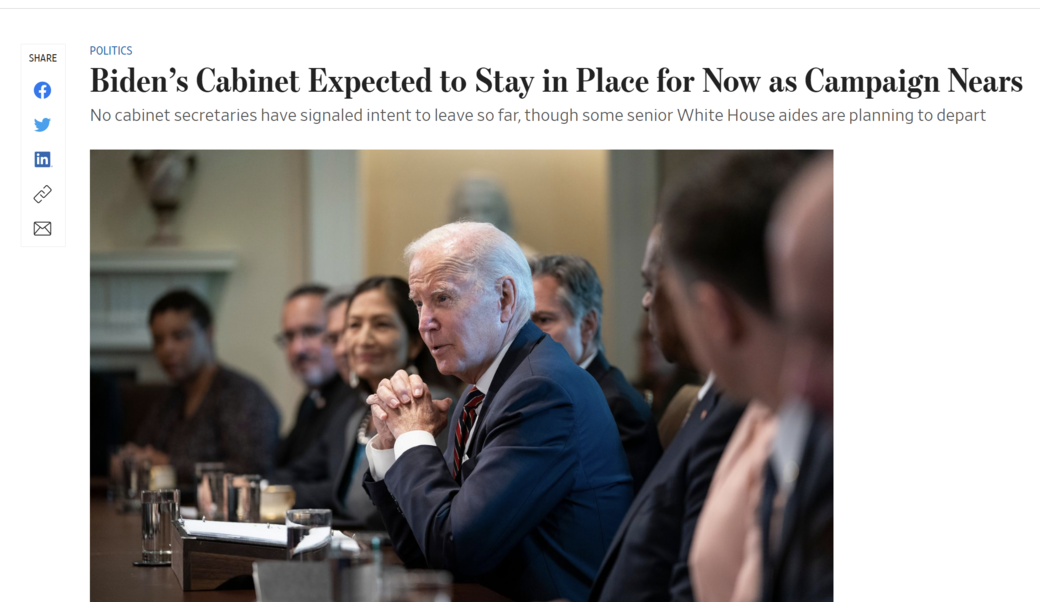
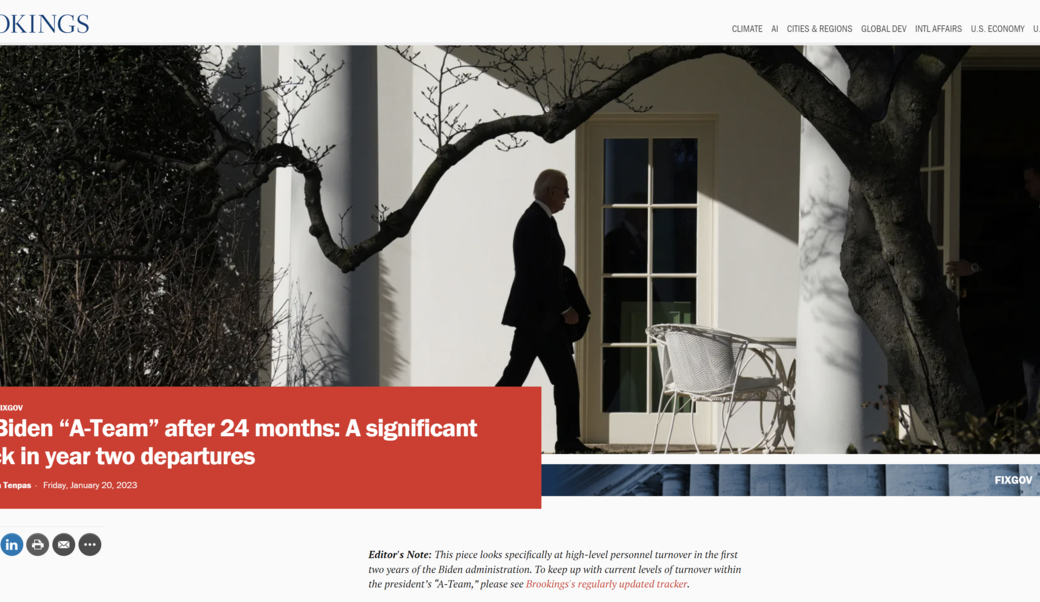
Biden's first year turnover "was one of the lowest of the past six administrations and may reflect the influence of experience and a professional transition operation," wrote Kathryn Dunn Tenpas, Practitioner Senior Fellow at the University of Virginia's Miller Center.
Kathryn Dunn Tenpas CNN
Staffing the top levels of the executive branch is a high-priority task for new presidents. Roughly 4,000 presidentially appointed positions are spread across the executive branch, and appointees to the most senior positions (nearly 1,200) require Senate confirmation. Throughout the 2020 presidential campaign, then candidate Joe Biden promised to select a diverse set of appointees. This article examines President Biden's commitment to this pledge as well as the pace at which the Senate confirmed his first tranche of appointees. To assess President Biden's performance during the first 300 days of his administration, I compare his record to his three immediate predecessors (Presidents George W. Bush, Barack Obama, and Donald Trump). The data reveal that while President Biden fulfilled his promise by appointing record numbers of women and non-Whites, the pace at which these appointees were confirmed was much slower than those of his three predecessors.
Kathryn Dunn Tenpas Presidential Studies Quarterly
The staff turnover in Biden's first year marked "one of the lowest of the past six administrations," wrote Kathryn Dunn Tenpas, a non-resident senior fellow at the Brookings Institution who tracks the issue, in an analysis of Biden's first year.
Kathryn Dunn Tenpas CNN
That's Katie Dunn Tenpas, who studies presidential personnel at the University of Virginia's Miller Center. "I think just generally in the aftermath of the Trump administration, this was an important feature of the new Biden administration. And you need to remain consistent."
Kathryn Dunn Tenpas NPR All Things Considered