Experts

Marc Selverstone

Fast Facts

  • Director of presidential studies
  • Co-chair, Presidential Recordings Program
  • Won the Bernath Book Prize for Constructing the Monolith: The United States, Great Britain, and International Communism, 1945-1950.
  • Expertise on John F. Kennedy, Lyndon Johnson, Richard Nixon, the Vietnam War


Areas Of Expertise

  • Foreign Affairs
  • American Defense and Security
  • Politics
  • The Presidency

Marc Selverstone is the Gerald L. Baliles Professor of Presidential Studies at the Miller Center, the Center's director of presidential studies, and co-chair of the Center’s Presidential Recordings Program. He earned a BA degree in philosophy from Trinity College (CT), a master’s degree in international affairs from Columbia University, and a PhD in history from Ohio University. 

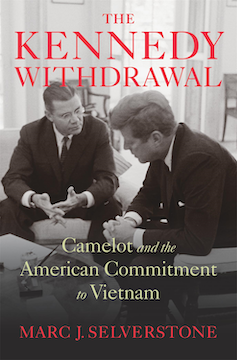
A historian of the Cold War, Selverstone is the author of Constructing the Monolith: The United States, Great Britain, and International Communism, 1945-1950 (Harvard), which won the Stuart L. Bernath Book Prize from the Society for Historians of American Foreign Relations. His most recent book is The Kennedy Withdrawal: Camelot and the American Commitment to Vietnam (Harvard University Press). He was a featured expert in the Emmy Award-winning documentary, Turning Point: The Vietnam War.

As co-chair of the Presidential Recordings Program, Selverstone edits the secret White House tapes of Presidents John F. Kennedy, Lyndon B. Johnson, and Richard M. Nixon. He is the general editor of The Presidential Recordings Digital Edition, the primary online portal for transcripts of the tapes, published by the University of Virginia Press.

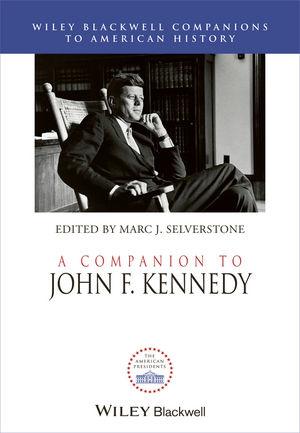
Selverstone’s broader scholarship focuses on presidents and presidential decision-making, particularly during the 1960s and 1970s. He has written for journals and edited volumes on the Kennedy presidency, the Cold War, and the American war in Vietnam. He also co-edits the Miller Center’s “Studies on the Presidency” series (Virginia) with Miller Center Professor Guian McKee, and is the editor of A Companion to John F. Kennedy (Wiley-Blackwell). 


Marc Selverstone News Feed

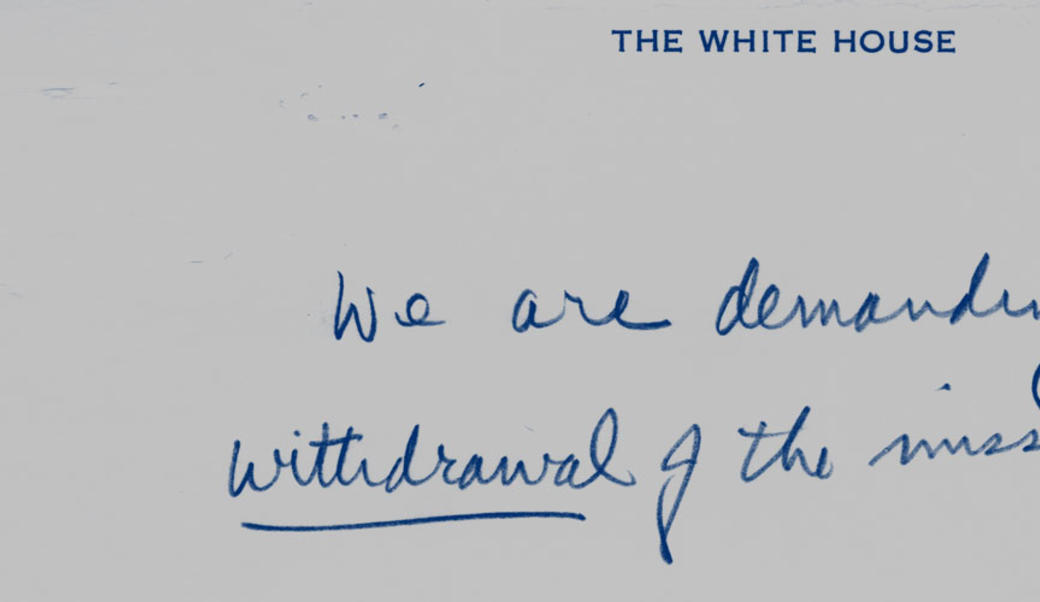
When presidents encounter crises, their leadership skills are tested under the most stressful of circumstances. But notes, memos, and other official documents often leave out the human dimension that has led our presidents to succeed or fail when the stakes are high. Using recordings from the Center's Secret White House Tapes, Marc Selverstone tells us stories of presidents under pressure and reveals the lessons that we might apply today.
Marc Selverstone Miller Center Presents
Marc Selvestone, associate professor at the University of Virginia's Miller Center of Public Affairs, joins me to discuss the presidential crisis leadership of John F. Kennedy.
Marc Selverstone The Public Morality
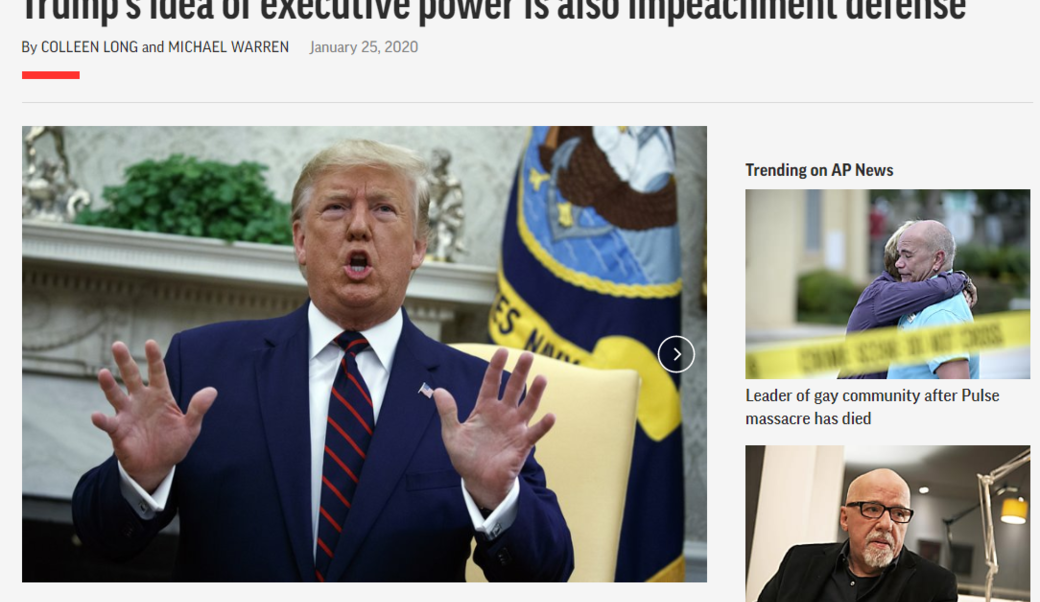
And while White House recordings show Lyndon B. Johnson asserting his war powers authority to send U.S. troops to Vietnam, “it is not Trumpian — it’s not a claim of, ‘I have the absolute right, the absolute authority,’” said Marc Selverstone, who chairs the Presidential Recordings Program. “Trump of course takes this to a different degree altogether,” he said.
Marc Selverstone Associated Press
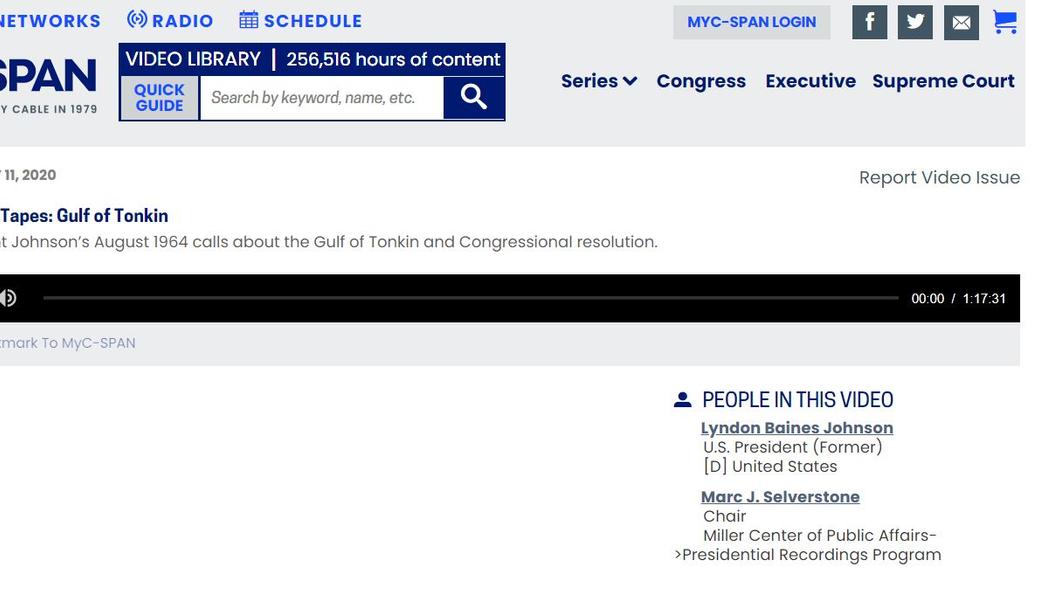
Marc Selverstone talks about President Johnson’s August 1964 calls about the Gulf of Tonkin and Congressional resolution.
Marc Selverstone C-SPAN Radio
This basic question about the Vietnam War, which author and Vietnam veteran Karl Marlantes asks within the first two minutes of the eponymous Ken Burns-Lynn Novick film, frames much of the succeeding 18 hours of the landmark documentary that premiered on PBS in September 2017. In an effort to answer it, Burns and Novick weave together powerful personal testimony, rare visual imagery, and revealing primary sources to narrate the trajectory of America’s involvement in a conflict that, in one form or another, spanned almost the entirety of the Cold War.
Marc Selverstone H-Diplo
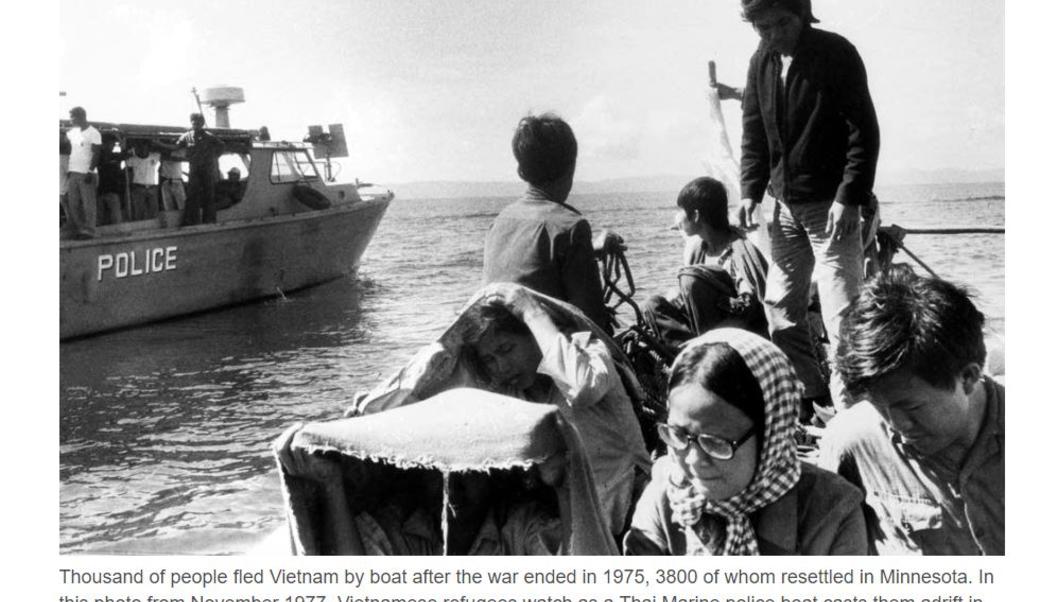
With help from the Nixon White House tapes, Marc Selverstone, of the University of Virginia's Miller Center of Public Affairs, discloses the president's true intentions in ending the war in Vietnam, and Admiral Pete Bondi recalls the chaos on the ground as North Vietnamese troops systematically overtook the southern provinces almost three years later.
Marc Selverstone MPR News