Lyndon B. Johnson: Life in Brief
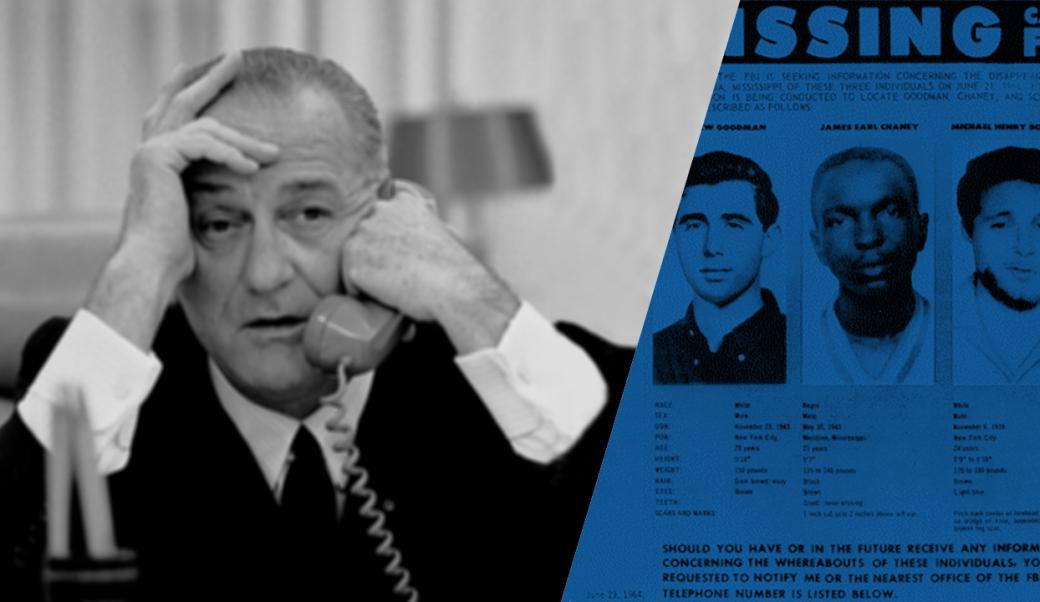
On November 22, 1963, President John F. Kennedy was assassinated in Dallas, Texas. The event thrust Vice President Lyndon B. Johnson into the presidency. A man widely considered to be one of the most expert and brilliant politicians of his time, Johnson left office a little more than five years later as one of the least popular presidents in American history. The man who had risen from the poor Hill Country of Texas to become an incredibly powerful Senate majority leader, vice president, and president of the United States returned to Texas demoralized and discredited. He died four years later, a few hundred feet from the place of his birth.
As a man, Lyndon Johnson was obsessed with his place in history, consumed by a voracious appetite for life, and often cast between emotional extremes. He was a natural politician, and to many people who knew him, he seemed larger than life. As president, Johnson revealed that he had complex and ambitious goals, unveiling a sweeping collection of legislative and social initiatives he called the Great Society, which included a war on poverty, civil rights and health care reform, immigration legislation, federal funding for education, urban renewal, environmental protections, consumer safety measures, and the arts and humanities among others. Elected in his own right by a landslide victory in 1964, he seemed unsinkable but soon floundered amid the Vietnam War.
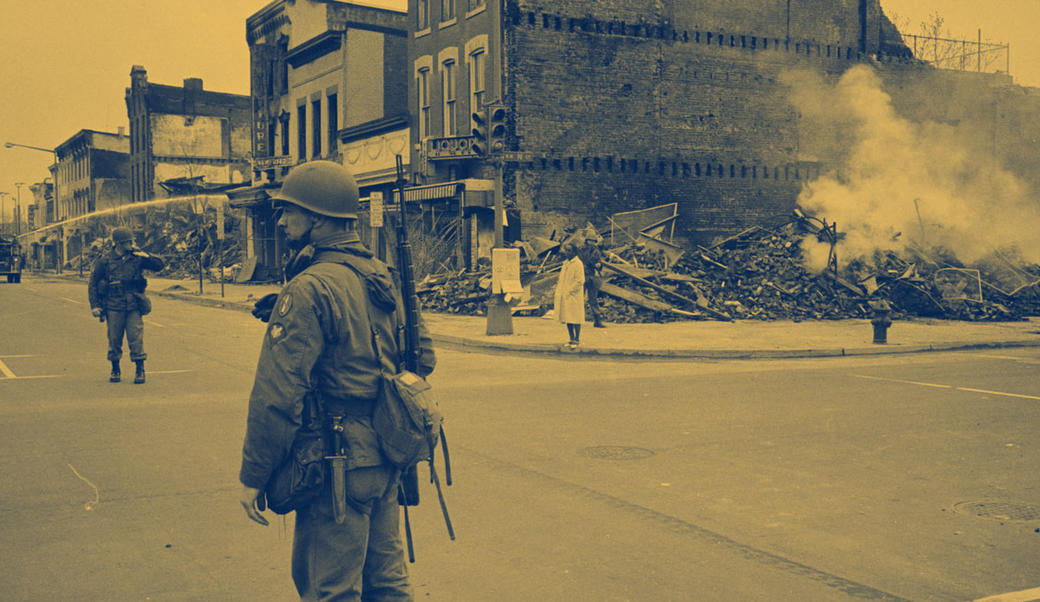
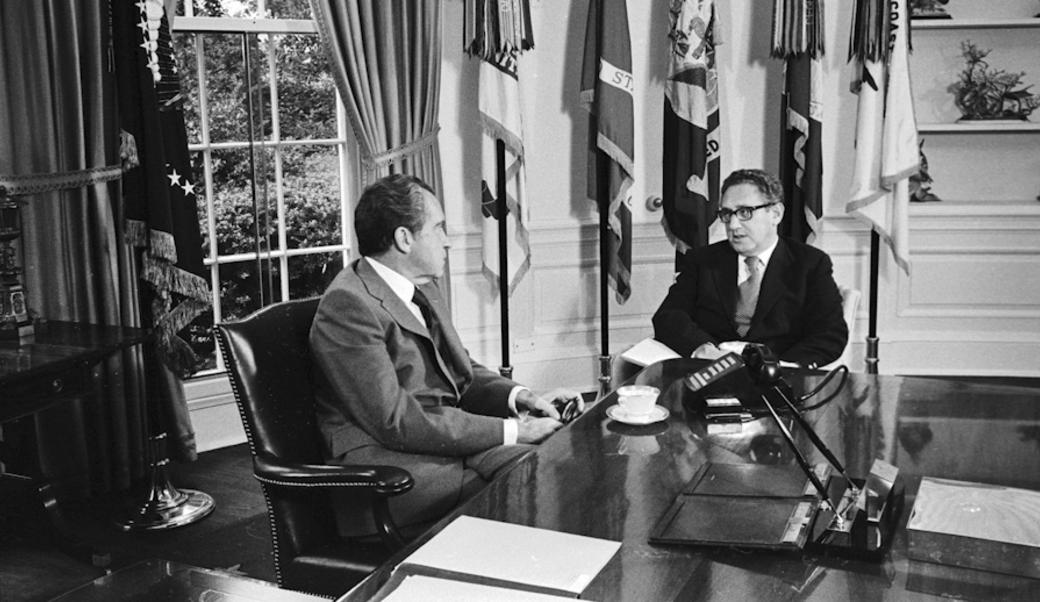
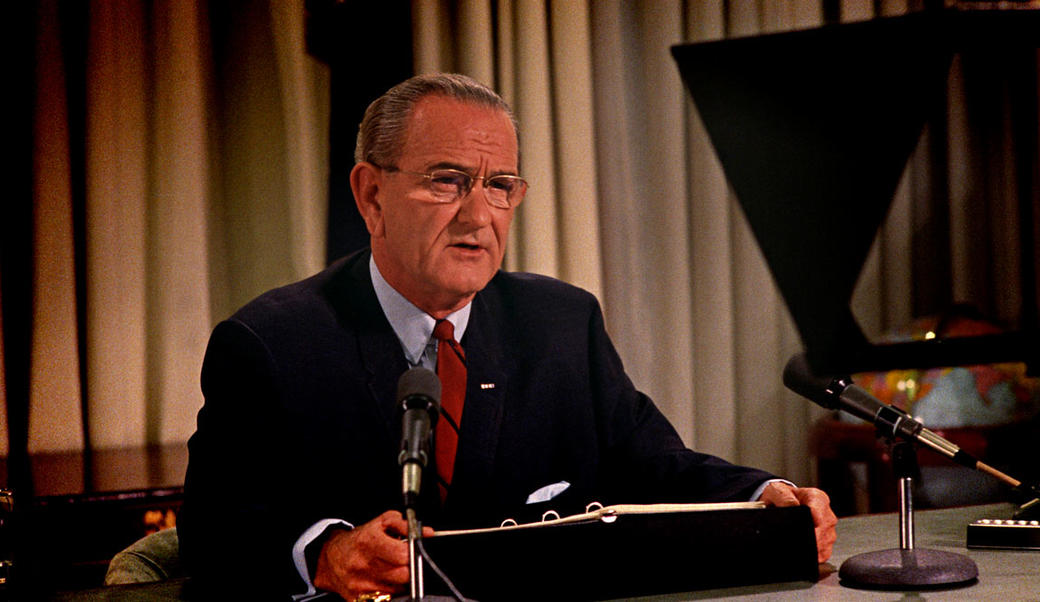
Vietnam—perhaps the most divisive event in American life since the Civil War—polarized the country and transformed political, strategic, and moral debates. President Johnson was unable to devise a strategy for victory, withdrawal, or peace with honor. In 1968, facing strong opposition to his approach in Vietnam, Johnson declined to seek a second term. He left to his successor the problems of Vietnam, racial unrest, and unresolved issues of income inequality and erratic economic performance.
Education and Marriage
The Johnson family had been in Texas for generations. Farmers and ranchers, they had helped settle the state and had fought for the Confederacy in the Civil War. Lyndon's father had the gregarious gifts of a politician, and three years before Lyndon's birth, at the age of twenty-seven, he began serving as a Texas state representative. The elder Johnson, however, was less fortunate as a farmer and businessman. During Lyndon's early teenage years, his father piled up enormous debts, lost the family farm, and spiraled into financial crisis that rarely relented the rest of his life. The experience affected Lyndon throughout his own life and likely contributed to his commitment to improving the lives of the poor.
Lyndon did badly in school and initially refused to go to college. After a brief period of traveling and doing odd jobs, Johnson entered Southwest Texas State Teachers College in 1927. He taught briefly, with a stint at a poor school in Cotulla, Texas, that served a Mexican American population, and in Houston, but his political ambitions had already taken shape. In 1931, he won an appointment as an aide to a congressman in Washington, D.C., and left the teaching profession. The experience of working in Congress was electrifying: he had found his natural environment. In 1935, when an administrative position in a New Deal program became available, as the Texas state director for the National Youth Administration, Johnson snatched it.
The previous year, he had met Claudia Alta Taylor, "Lady Bird," and the two were married three months later. She was a perfect balance for him: charming and refined where he was raw and boisterous. She also had family money, which the Johnsons later used to build a broadcasting and real estate empire.
Fast Political Track
In 1937, Johnson resigned as the state director of the National Youth Administration and won election to Congress, representing his home district as an ally of President Franklin Delano Roosevelt. He was just twenty-eight years old.
He was an activist congressman, bringing electricity and other improvements to his district, but in 1941, he lost his first bid for the U.S. Senate, being defeated in an expensive and controversial election by W. Lee "Pass the Biscuits, Pappy" O'Daniel, the state’s sitting governor. Johnson remained in the House, and after the bombing of Pearl Harbor, he used his contacts with President Roosevelt to win a commission in the Naval Reserve. He went on a single bombing mission, securing a combat record and a Silver Star for serving under hostile fire.
In 1948, he won election to the Senate by winning the hotly contested Democratic primary by 87 votes. Voter fraud marred the contest with both Johnson partisans and allies of his leading opponent under suspicion. As a result of these allegations, Johnson’s opponents thereafter derisively referred to him as "Landslide Lyndon."
Once in the Senate, Johnson advanced rapidly. Within two years, he was the Democratic whip; when the Republicans won a majority in the Senate on President Dwight Eisenhower's coattails, he became minority leader. In 1955, he was elected majority leader and transformed the position into one of the most powerful posts in American government.
Johnson worked ceaselessly in the Senate and is perhaps best known for passage of the Civil Rights Act of 1957, the first such measure in almost a century. He also pushed for America's entry into what would become known as the Space Race. By 1960—after two failed attempts at the vice presidential nomination including a favorite son bid for the presidency in 1956 designed to net him the vice presidency—Johnson set his sights on the White House.
JFK and LBJ
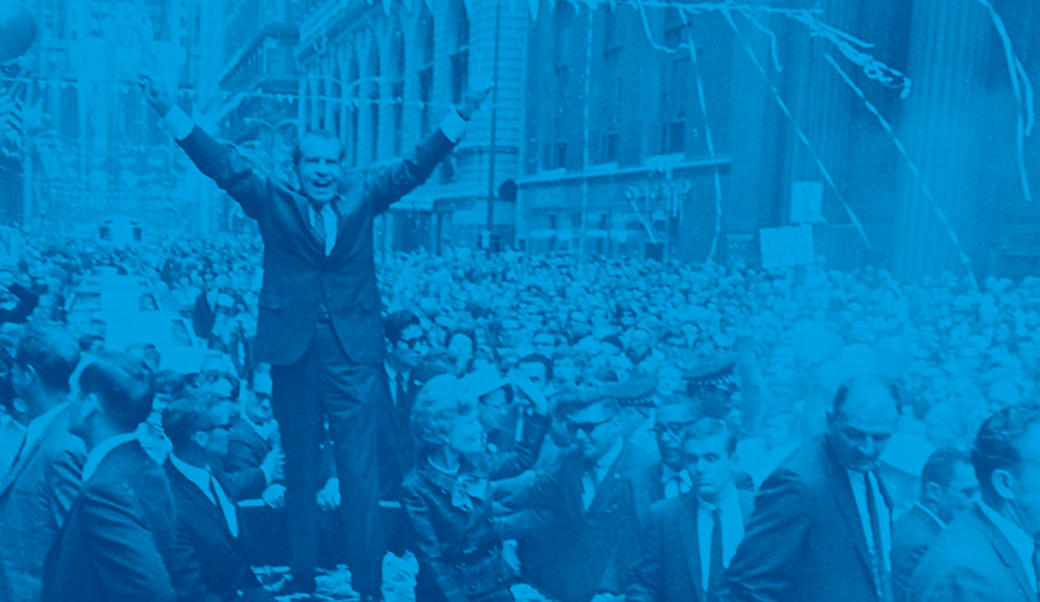
That year, however, belonged to John Fitzgerald Kennedy. Young, handsome, rich, and witty, the senator from Massachusetts piled up one primary win after another. Despite Johnson's announcement of his own candidacy, the Democrats nominated Kennedy on the first ballot at the Democratic convention in Los Angeles. Facing a seasoned Republican contender in Vice President Richard Nixon, Kennedy turned to Johnson to bring political and geographical balance to the ticket. Johnson delivered the South—including Louisiana and Texas that had voted Republican during the Eisenhower years—and the team of JFK and LBJ won a close election.
Although Johnson never seemed comfortable in the vice presidency, he headed the space program, worked toward equal opportunity for racial minorities, and traveled internationally, representing the administration abroad. He also publicly supported President Kennedy’s decision to send American military advisors to the Southeast Asian country of Vietnam, whose corrupt but friendly government was threatened by a communist insurgency. Johnson was not, however, in Kennedy's inner circle and seemed frustrated by his lack of influence, particularly on legislative matters.
The Great Society and Vietnam
Johnson was only two cars behind Kennedy on the day the president was shot and killed in Dallas. The vice president was sworn in as president aboard Air Force One later that afternoon. A few days later, he spoke to a joint session of Congress. Seizing on Kennedy's inaugural plea to "let us begin anew," he asked Congress to "let us continue."
Over the next year, Johnson endorsed the late president's programs even as he announced his own, known as the Great Society. He pushed for passage of Kennedy's tax cut and civil rights bill and declared the War on Poverty. When he ran for election against the Republican conservative Barry Goldwater in 1964, he won by the largest popular vote margin in history, 61.1 percent. During his presidency, Johnson engineered the passage of the Medicare and Medicaid programs, poured money into education and reconstruction of the cities, and pushed through three civil rights bills that outlawed racial discrimination in public accommodations, employment, voting, and housing.
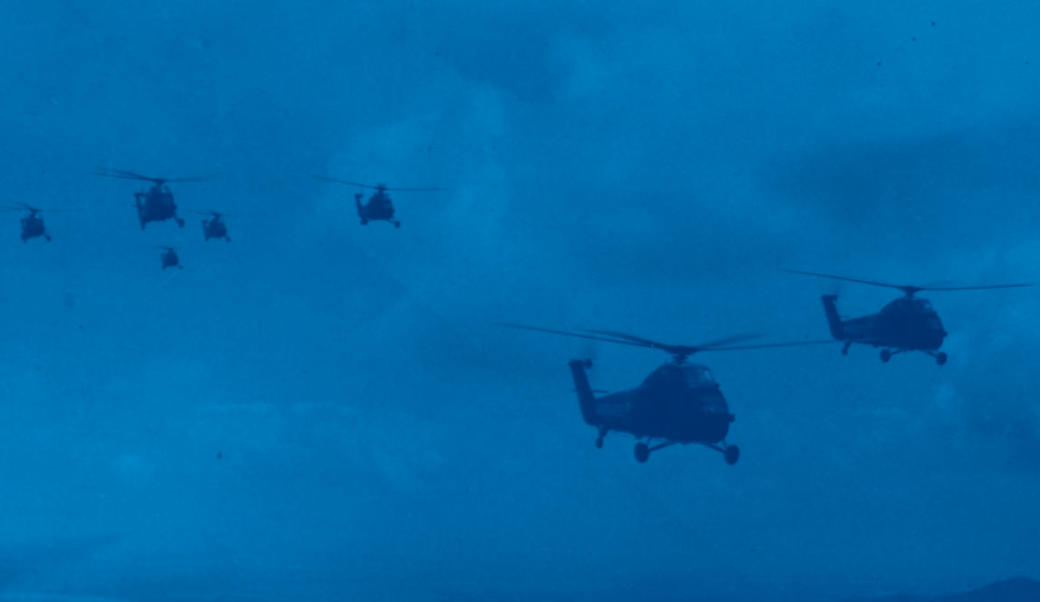
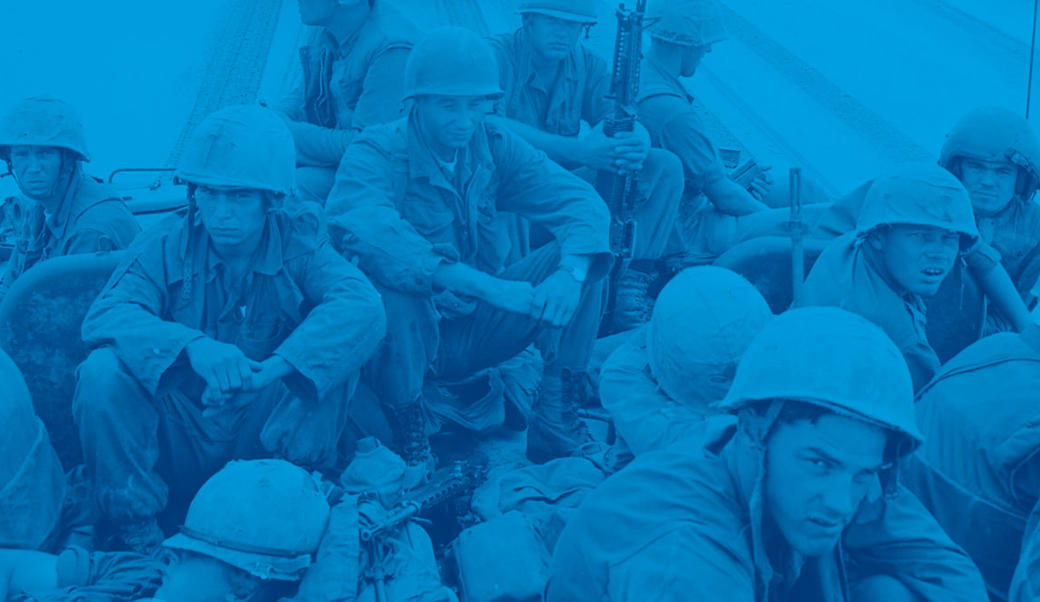
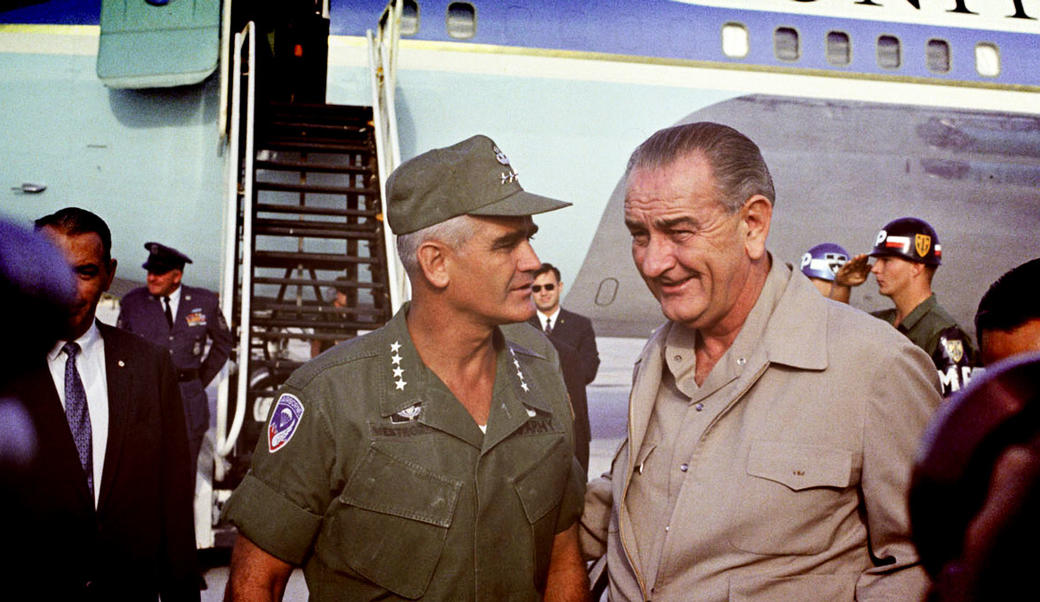
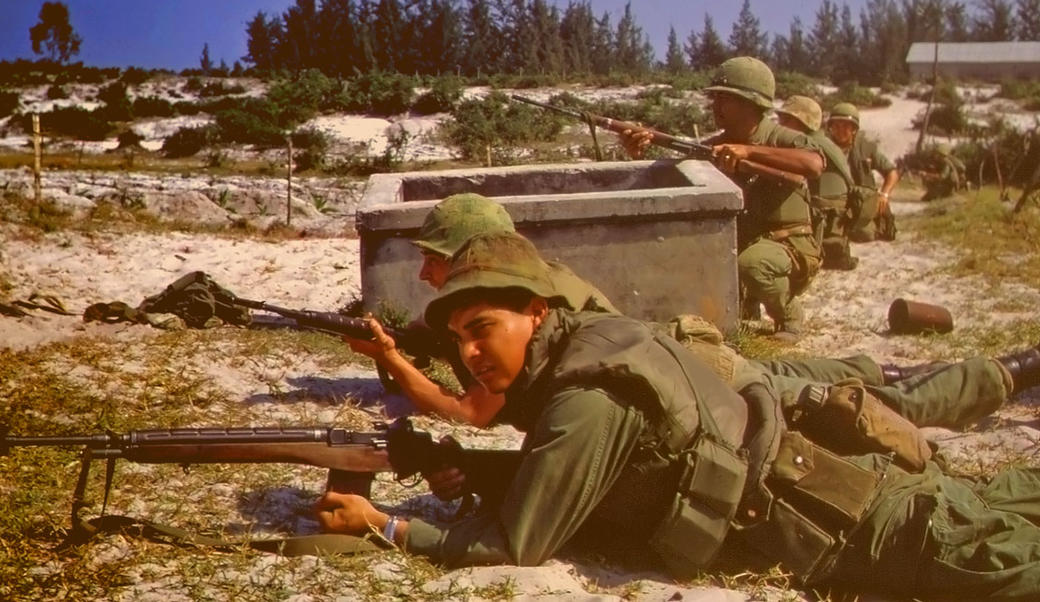
At the same time, the conflict in Vietnam was intensifying. By the close of 1965, American "advisors" were a thing of the past as Johnson escalated American combat troops to almost 200,000. Within three years, the number surpassed 500,000. As American casualties increased, an antiwar movement gathered momentum. The North Vietnamese and the Viet Cong, a communist guerrilla force in the south, proved resilient, even as Johnson poured more money, firepower, and personnel into the war effort.
Ultimately, the president came to be identified personally with a war that seemed unwinnable. As a result, his popularity sagged drastically, dipping below 30 percent in approval ratings by 1968. In a surprise move, Senator Eugene McCarthy, a Minnesota Democrat, announced his candidacy for the Democratic nomination and did well in the New Hampshire primary. President Kennedy's younger brother Robert also joined the race. On March 31, 1968, President Johnson announced that he would neither seek nor accept the nomination but instead would focus all his efforts on bringing peace to Vietnam.
After he left office in January 1969, Johnson returned to Texas to focus on writing his memoirs and creating his presidential library. After a relatively short period in restless retirement, Lyndon Johnson died on January 22, 1973. His grave lies in the Johnson family cemetery under a stand of live oak trees along the Pedernales River at the LBJ Ranch.